In Beijing, poetic dwelling often presents a challenging choice: Do you choose the lively charm of a siheyuan courtyard within the Second Ring Road, enduring the inconvenience of living facilities? Or do you embrace the convenience of modern apartments, yet remain disconnected from the land and nature? However, in Dongzhimen—an area historically renowned as a bustling thoroughfare and noble land since ancient times—East Lake Villas offers a near-perfect "third answer." In an understated manner, it seamlessly blends the grace of Jiangnan with the profound depth of the ancient capital, transforming the ideal of "a great hermit dwells hidden within the city" from mere literary concept into a tangible daily reality.
I. Hidden Amidst Prosperity: The "Quiet Realm" at the Urban Core
Speaking of Dongzhimen, older generations of Beijingers might recall its historical bustle as the "Grain Gate," while modern minds envision the heavy traffic of the Second Ring Road, the international ambiance of the embassy district, and the vibrant worldly charm of Ghost Street. This is one of the most vigorously pulsating hearts of Beijing. And East Lake Villas, like a piece of warm, ancient jade, rests serenely embedded within the folds of this prosperous core.
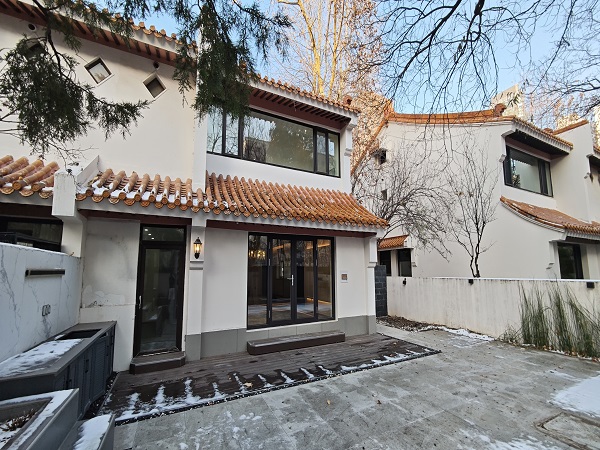
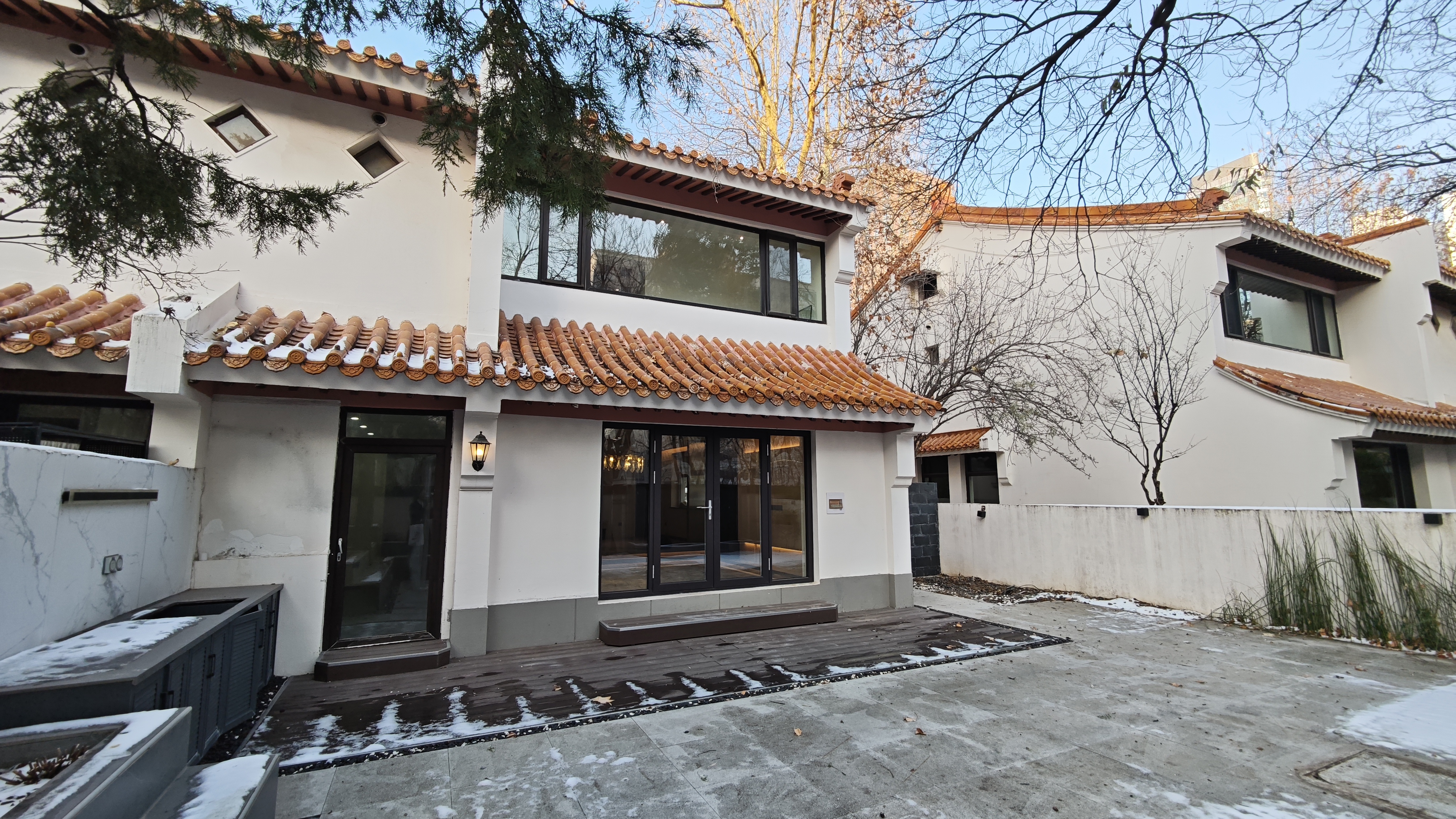
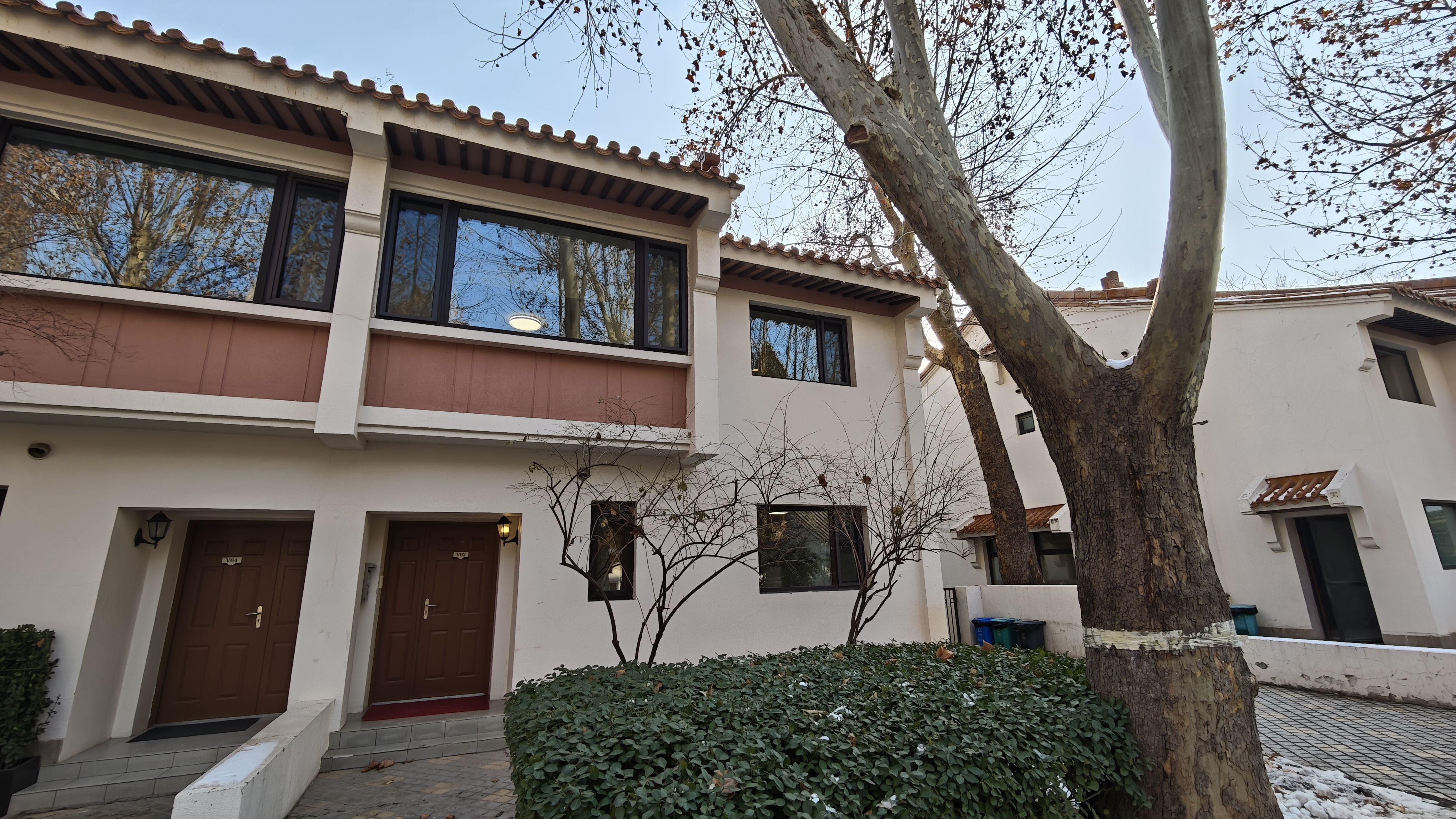
The preciousness of this three-story duplex residence lies first and foremost in its occupation of land. On the East Second Ring Road, where floor area ratios are often calculated in the "hundreds," owning a private courtyard is a luxury unto itself. It acts as a filter for the city's clamor—beyond the gate lies the world; within the gate lies home. This locational endowment of "prosperity upon exiting, tranquility upon entering" lays the most solid foundation for the entire living experience. The building's three-story structure provides an excellent vessel for functional separation and spiritual placement: The ground floor connects with the earth, hosting the family's public gatherings; the second floor reaches to the human heart, safeguarding the quiet peace of rest; the third floor touches the clouds, nurturing one's inner spiritual world. And connecting all of this is the Suzhou-style courtyard, which serves as the very "soul" of the home.
II. Deep Courtyard: Recreating a Universe within a Small Space
Master of Chinese garden art, Mr. Chen Congzhou, once remarked, "Building a garden is like composing a poem." The courtyard design of this villa is a perfect interpretation of this statement. Without being overly ambitious, it follows the principle of "though man-made, appearing heaven-made" within its limited confines, using craftsmanship to "write" a touching Jiangnan lyric.
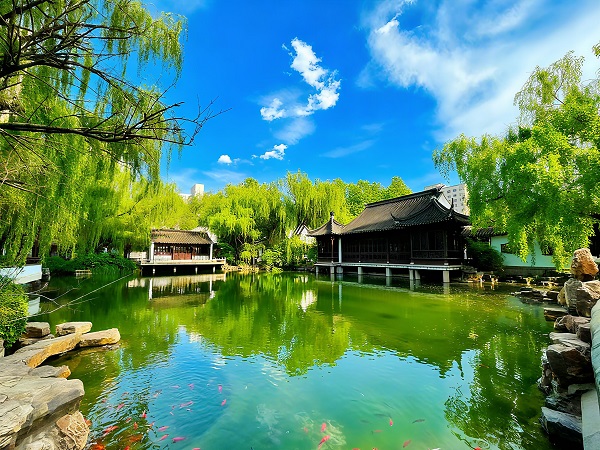
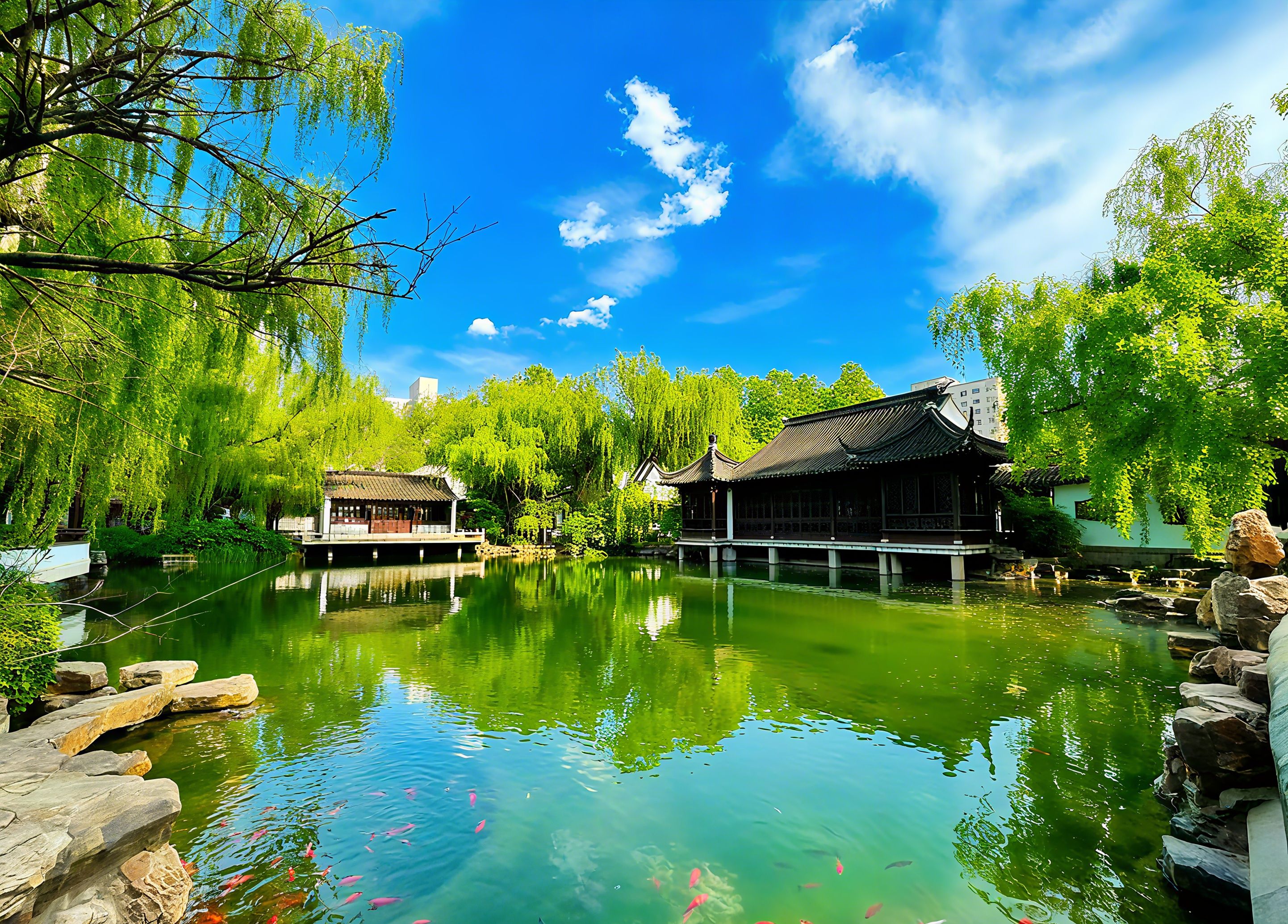
Stepping into the courtyard, your first impression is not of "design," but of "growth." A pool of clear water serves as the garden's eye, crystal clear to the bottom, with several vermillion koi fish swimming leisurely, disturbing the reflections of sky and clouds. The pool's edge lacks rigid stone revetments; instead, simple grey tiles are inserted vertically into the earth, forming continuous rippling patterns, with only the curved tiles exposed, like ripples spreading on water—both ecologically friendly and imbued with literati charm.
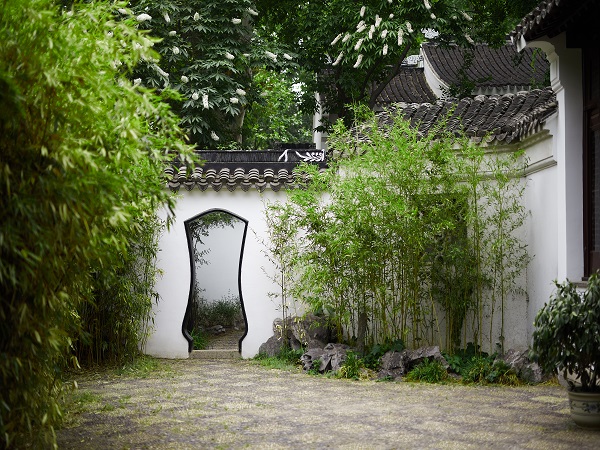
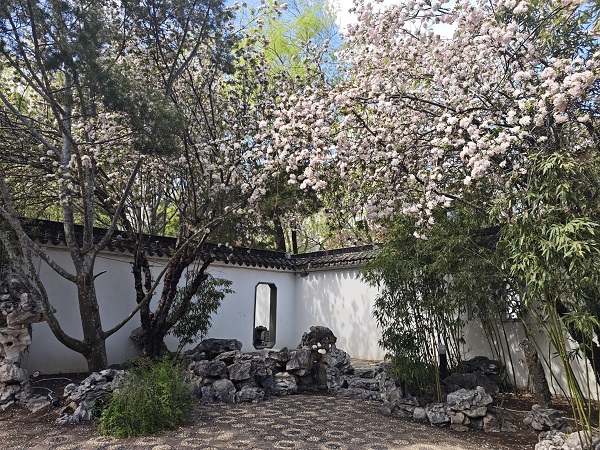
As the saying goes, "Water's spirit comes not from depth, but from the presence of dragons; a garden's elegance comes not from size, but from the presence of rocks." Several Taihu stones with grotesque postures stand by the water, embodying the qualities of thinness, transparency, perforation, and wrinkling, appearing like solidified clouds sculpted by time. Beside the stones grows a drooping crabapple tree; in spring, its branches are heavy with flowers, petals drifting onto the water's surface, slowly turning with the koi's gentle movements. A blue flagstone path is deliberately made winding, bordered by low-growing Ophiopogon and sedum, leading to a small, delicate square pavilion at the end, its upturned eaves appearing as if in flight. Inside the pavilion, there are no complicated furnishings—just a small table, a stool, and a guqin (ancient zither). When the mood strikes, playing a tune allows the sound waves to cross the water, pass through the bamboo grove, seemingly resonating across millennia with the artistic conception of Ji Kang's "Wine Party Poem": "Flowing waters cherish the old shores, drifting clouds long for the home mountains." This small courtyard has long transcended its physical space, becoming a private sanctuary where the owner communes with heaven, earth, and spirit.
III. Elegant Interiors: When Modern Dwelling Encounters Jiangnan's Essence
Stepping from the courtyard into the interior marks a transition from nature to human culture, yet the natural scenery is not left outside the door—it is skillfully "borrowed" inside.
First Floor: The Wisdom of Openness and Blank-leaving
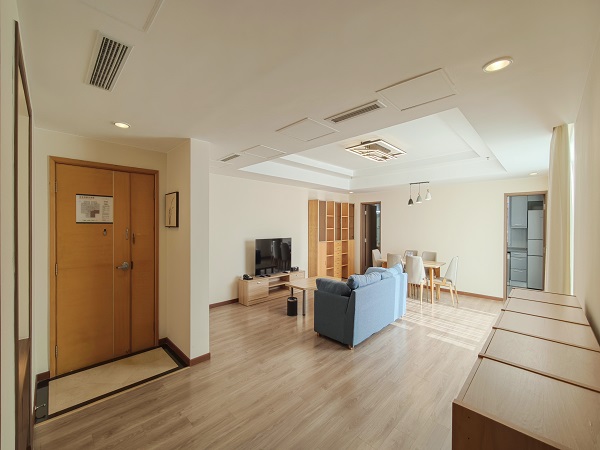
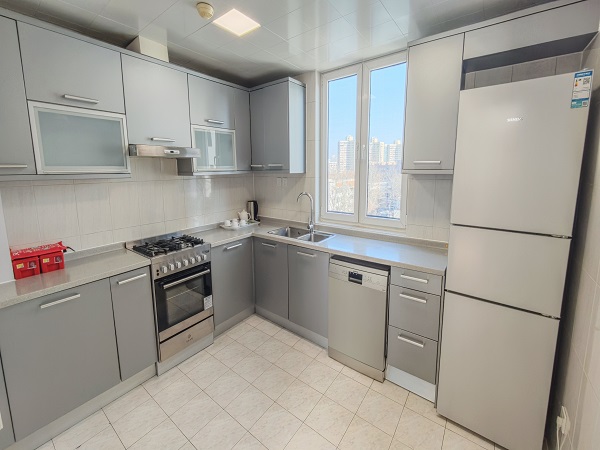
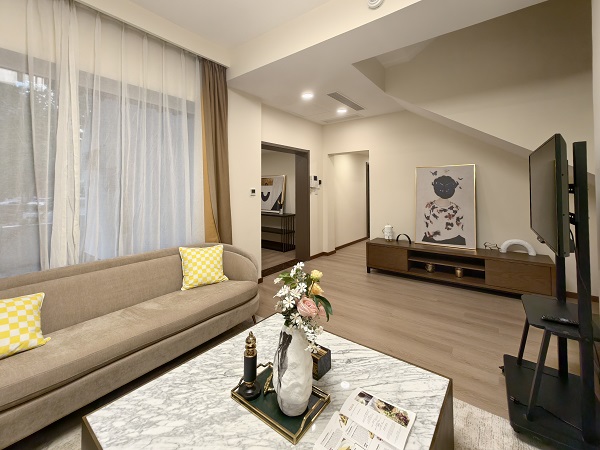
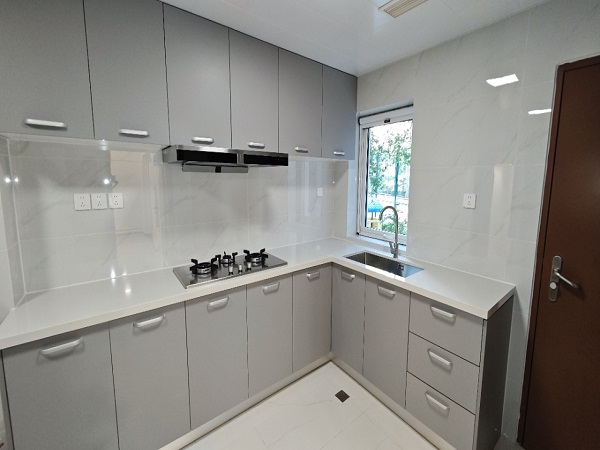
The first floor is the family's shared space, designed with a pursuit of transparency and blank-leaving. The living room, dining room, and kitchen follow an open layout, continuing the smooth flow lines of modern life. However, an ingenious touch on the ceiling features several embedded imitation antique wooden beams, painted a deep chestnut color. These echo the structural aesthetics of Suzhou architecture while cleverly delineating spatial zones.
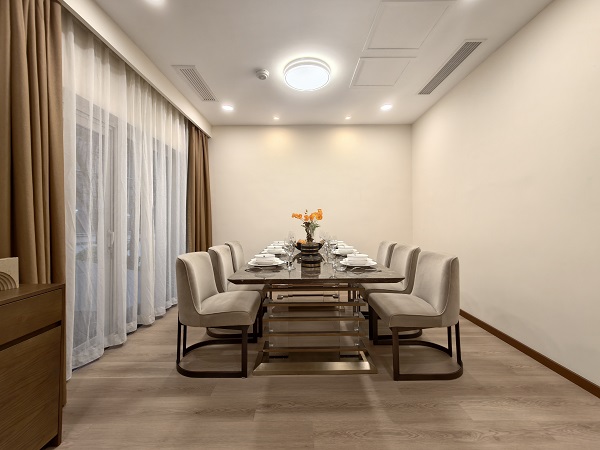
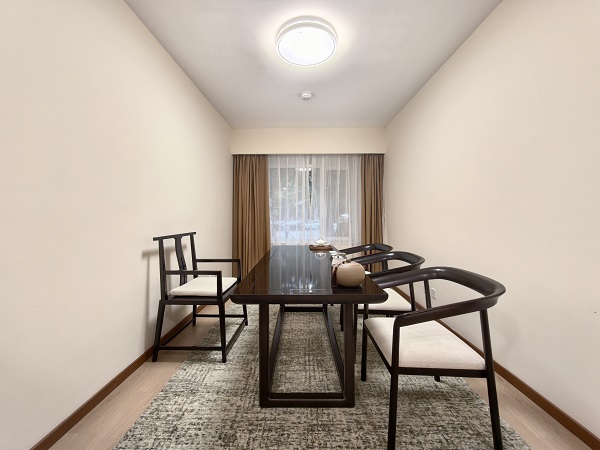
The most commendable feature is the dining room's design. One entire wall has been transformed into fully openable folding glass doors. When the weather is fine, pushing the doors completely open merges the dining room seamlessly with the courtyard. The family gathers around a long black walnut dining table, a gentle breeze sweeps through, carrying the fragrance of earth and plants; above is the blue sky and white clouds, below are antique-style floor tiles flush with the courtyard ground. Dining here feels like having a banquet within a garden, the taste of food infused with a hint of nature. The furniture selection in the living room is extremely restrained: a set of Ming-style sofas with simple, clean lines, and a large, unadorned wooden desk. Without excessive carving, they embody the inclusive sense of "emptiness accommodating ten thousand scenes" central to Eastern aesthetics.
Second Floor: Tranquility and the Warmth of Details
Ascending the stairs, empty windows on the stairwell wall act like the leaking windows in gardens, filtering the skylight and shadows softly. The second floor is the private resting space, where Suzhou-style elements are used more subtly, hidden within the details.
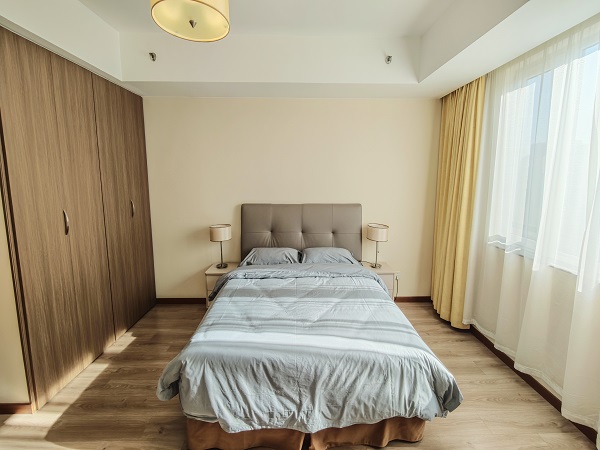
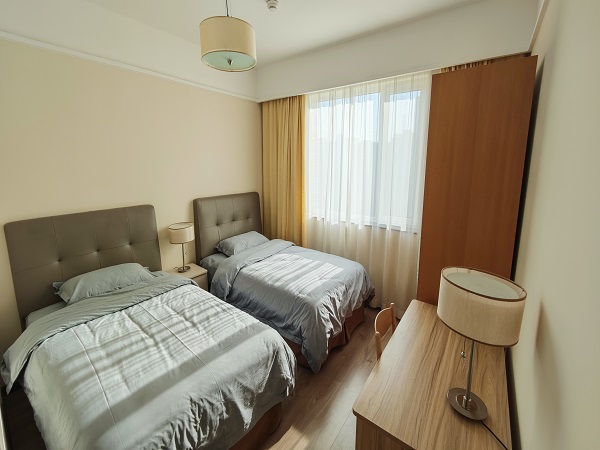
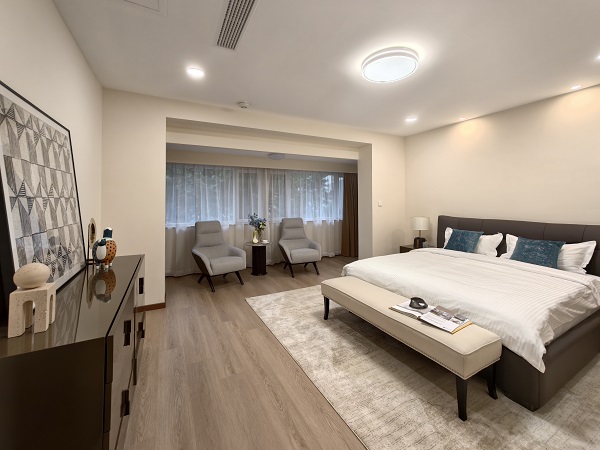
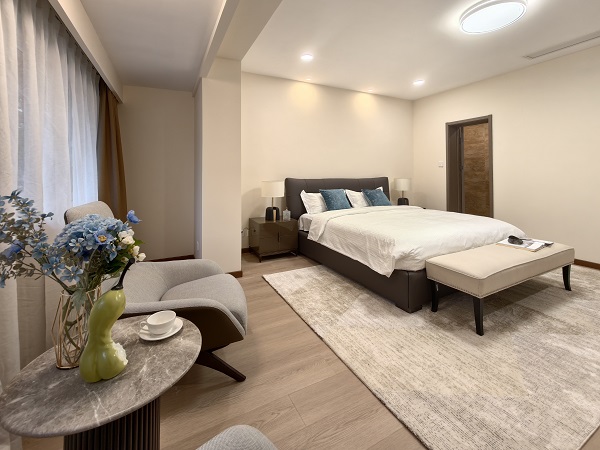
The tranquility of the master bedroom comes from the natural color of materials. The beige walls, light oak flooring, and linen-cotton bedding together form a soft background color. The true finishing touch is the wardrobe door featuring the traditional "crabapple flower lattice" pattern. This design, originating from Suzhou garden window frames, has gentle lines and auspicious connotations. It isn't flashy, but with every opening and closing, it conveys a sense of refinement and exquisiteness to the inhabitant. The secondary bedroom, used as a child's room, avoids falling into clichéd cartoon motifs. Instead, it features an elegant turquoise tone, with a whimsical yet simple bird-and-flower painting hanging at the head of the bed, planting the seeds of Eastern aesthetics in the child's heart from a young age.
Third Floor: The Realm of Spiritual Purification and Contemplation
If the small courtyard is a place for physical rest, then the third floor serves as a lookout point for the spirit. It has been transformed into a multi-functional space combining a study, a tea room, and a viewing platform.
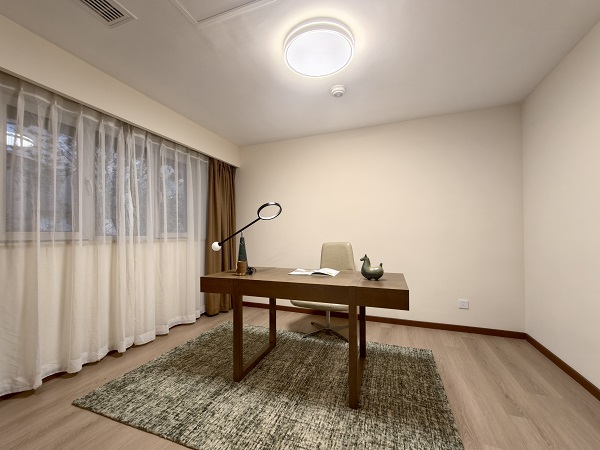
The study features a wall of built-in bookshelves, serving both as a library and a display area for the owner's collected curios and small antiques. A large painting desk is placed by the window; here, one can grind ink, read, or paint. Outside the window are the green canopies of the community's trees. The mind remains calm, yet the world expressed through the brush feels vast.
The tea room's design showcases the most ingenuity. The designer drew inspiration from the "framed view" technique of gardens, designing one window in the shape of an antique fan. Sitting at the tea table, looking out through this "fan frame," a corner of the courtyard's rockery or a clump of bamboo is perfectly framed within it. As seasons change and light and shadow flow, it seems as if a living painting, endlessly renewing itself, hangs on the wall. Brewing tea amidst this scene, with tea fragrance permeating the air, one feels integrated into one whole with the painting, the view, and the universe.
IV. Poetic Daily Life: Reflecting the East in Life's Details
Living here, the greatest sense of gain comes not from quantifiable materials, but from an ineffable atmosphere and state of mind.
In the early morning, you are awakened not by a mobile phone alarm, but by the clear chirping of orioles among the bamboo tips outside the window. In the afternoon, sunlight filters through the pergola's grilles, casting dappled shadows on the blue flagstones. You can brew a pot of tea, read a book in the pavilion, or do nothing at all—just watch the koi swimming in the pond, feeling the passage of time become slow and textured. At night, the lanterns under the eaves light up one by one, their warm yellow glow reflected in the water, mingling with the stars and moon in the sky. The warmth of home spreads within this hazy interplay of light and shadow.
What's more commendable is that this Eastern poetry has not come at the cost of modern living comfort. The whole house's underfloor heating system allows you to walk barefoot on warm blue flagstones in winter; central air conditioning ensures a pleasantly consistent temperature year-round; smart lighting systems can adjust to create bright, warm, or elegant light environments according to different scenarios. Traditional aesthetics and modern technology are not mutually exclusive opposites here, but coexist in harmonious integration.
This East Lake Villas property in Dongzhimen tells us in an effortless way: true luxury is not the piling up of materials, nor the ostentation of style. It is the profound understanding and respect for land, culture, and way of life. It allows the Jiangnan dream of "little bridges, flowing water, and cottages" to take root and come to life in the majestic heart of Beijing. It is more than just a residence; it is a harbor for the soul to find rest, a tangible, real-life model of Eastern poetic living.


 2026.03.15