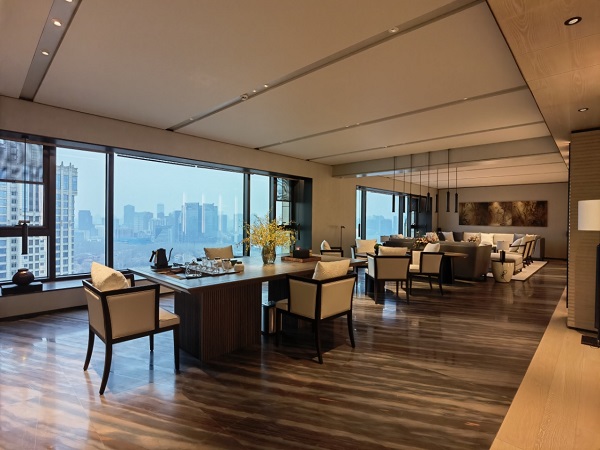
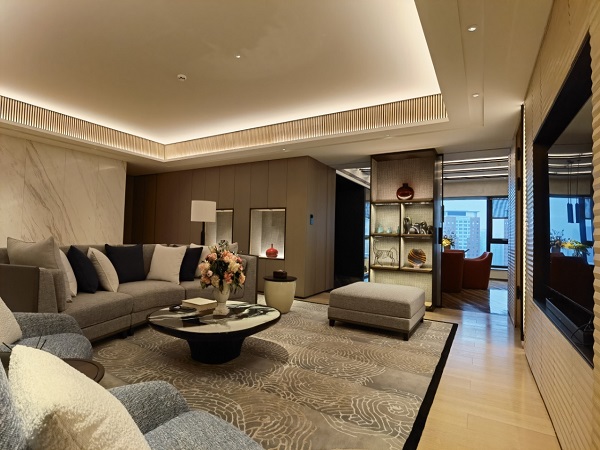
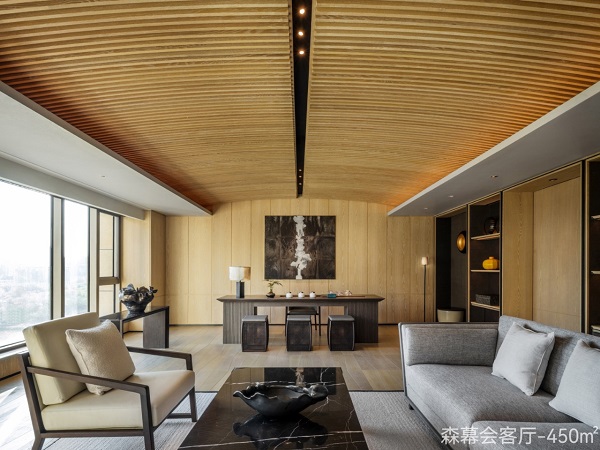
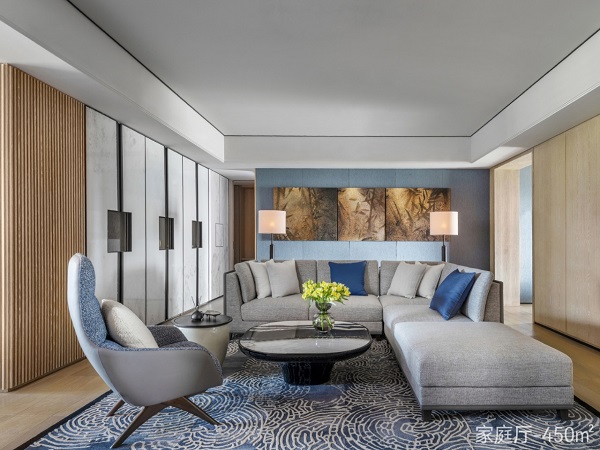
When “home” is no longer a fixed spatial template, but a living entity that can be heard, perceived, and redefined, dwelling gains a new dimension. In March 2026, MAHA Executive Apartments responded to this very proposition with a distinctive artistic event. Inside its 900-square-meter Skyline Forest Apartment, an immersive lifestyle exhibition quietly unfolded, named “Sonic-Spatial Symbiosis.” This was not a conventional display of home furnishings, but a deep dialogue about the essence of living — a collaboration between MAHA Beijing Executive Residences, LIFENESS magazine, and pioneering designer Chen Xuan.
This was not the first collaboration among the three parties. As early as 2023, they explored the relationship between private collecting and dwelling under the theme “The Collector’s Home.” This time, however, the narrative shifted from “collecting objects” to “collecting experiences” — an evolution from “Collector’s Home” to “Creator’s Home.” This shift meant the focus was no longer on the accumulation of items, but on human emotions, memories, and daily behaviors. Home is now understood as a continuously growing system, constantly redefined by its inhabitant.
The exhibition, centered on the core proposition “Home Grows in the World,” completely broke down the traditional opposition between “object and viewer” found in conventional displays. Sound, light, artworks, and furniture together formed an integrated field that could be entered, interacted with, and resonated with. Designer Chen Xuan introduced a compelling philosophy: “translating people into space.” In her view, every inner state of the inhabitant — whether emotional fluctuations, aesthetic preferences, or fragments of memory — should be transformed into the grammar of space. Material, color, scale, and light are the basic vocabulary of this grammar.
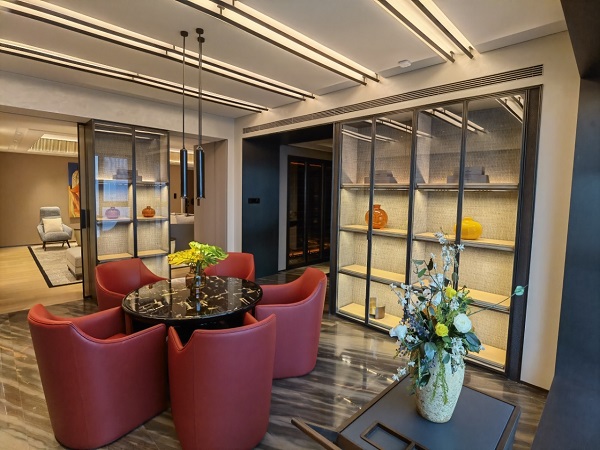
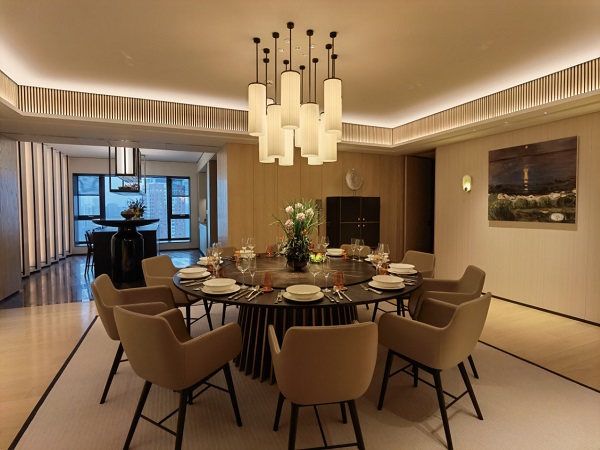
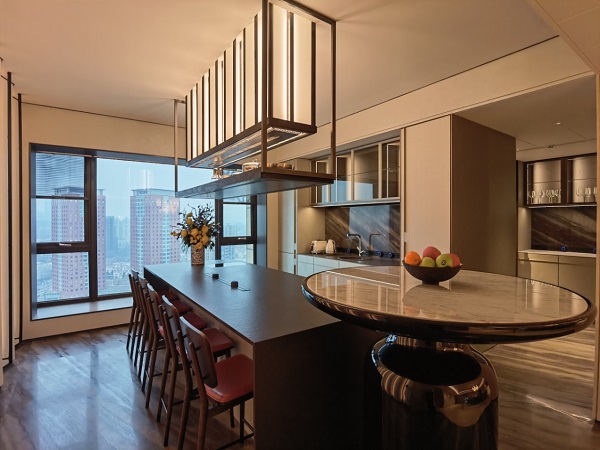
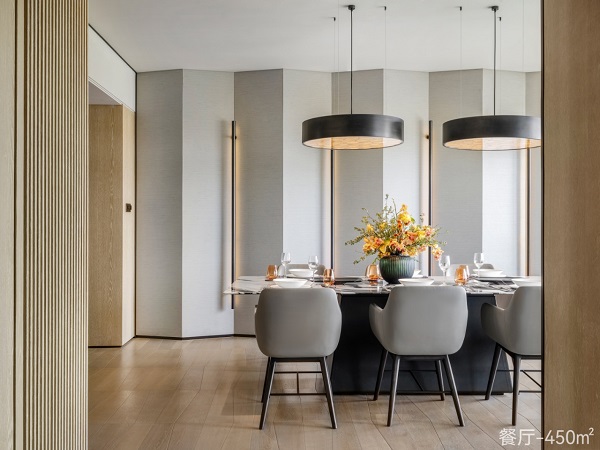
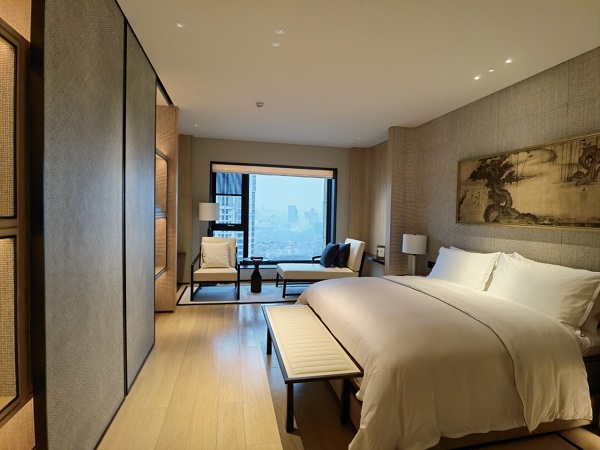
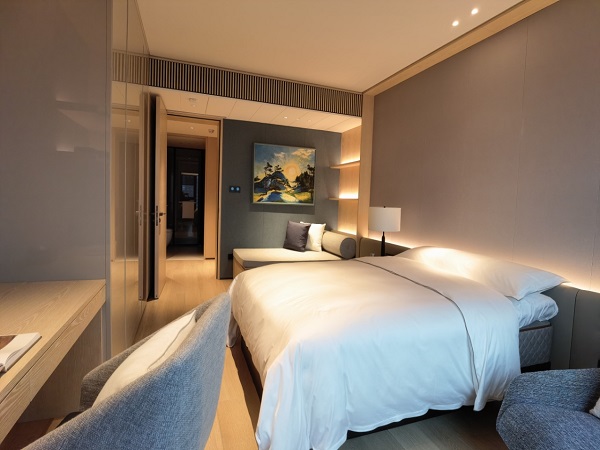
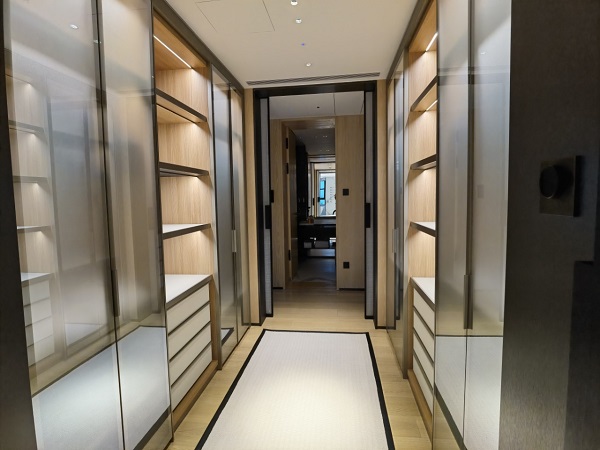
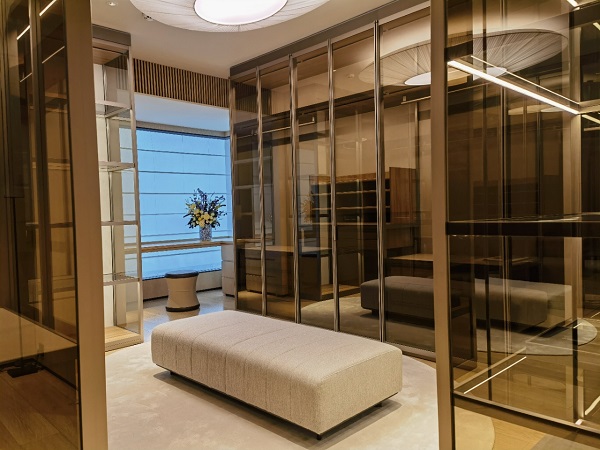
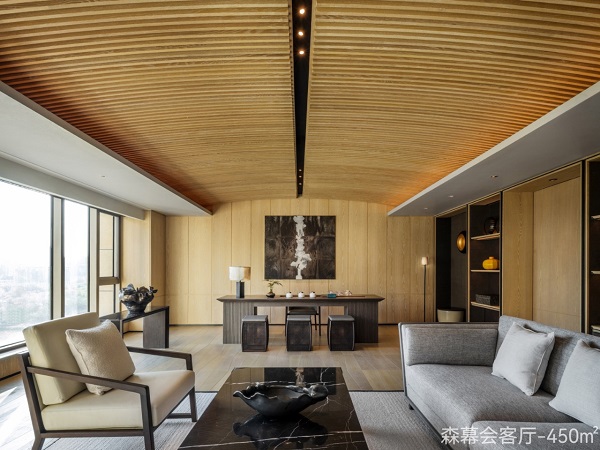
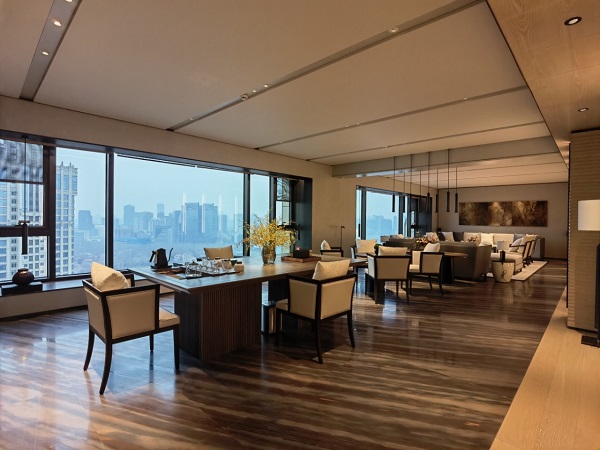
Stepping into this high-rise apartment, the first sensation is not visual dazzling, but a gentle “emptiness” or “negative space.” This emptiness is not a void, but a “fillable tranquility” — left for a piece of music playing, for the movement of afternoon sunlight, for an unnamed emotion of the resident. Light is treated as an “invisible building material”: the alternation of brightness and darkness, like strong and weak beats in music, gives each room its own rhythm of breathing.
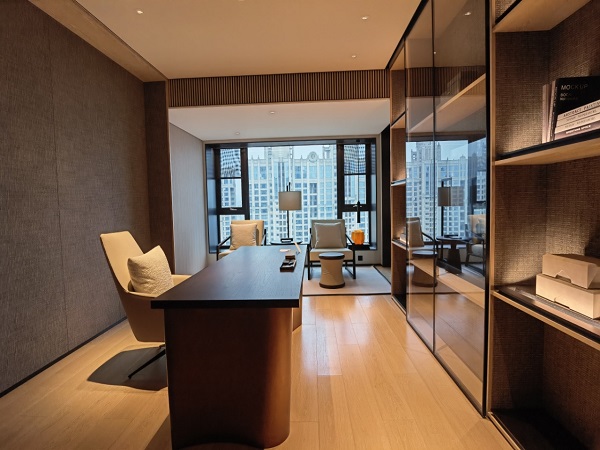
“Hearing the Space” became the most distinctive experiential segment of the exhibition. Using the “Music House” as its prototype, MAHA Beijing implanted different layers of auditory scenes across multiple functional areas. In the living room, the Elephant Audio 820 horn system created an immersive low-frequency embrace. In the family room, tea room, and dedicated music space, B&O sound systems allowed melodies and artworks to echo each other. The study was transformed into a mini music producer’s studio, with walls lined with vinyl records and instruments from Feng Mengbo’s studio quietly waiting. Most delightfully, nine “hidden sound menus” were cleverly placed in various corners of the space — a simple touch of a phone would cause a melody to flow out gently, as if the space itself was humming.
Art was not treated as decorative hanging on walls, but existed as a “precursor” to the space. At the entrance, Zhang Yue’s large-format photographic work established the apartment’s gallery-like temperament. Nuts, the exhibition’s art consultant and curator of SunSLiving Gallery, organically embedded various contemporary artworks into the spatial fabric — they were no longer isolated objects for viewing, but grew together with the walls, light, and furniture. Custom-made screens, chairs, and side tables from Mingyu Studio responded to the oriental context with delicate craftsmanship. In Chen Xuan’s logic, art first defines the character of the wall, the scale of the space, and the direction of the light; only then do furniture pieces enter to coexist with it.
Furniture, therefore, ceased to be a mere functional accessory and became a vehicle for life narratives. In the main living area, the FAP modular sofa, selected by Krasis, entered the space with a strong sculptural presence, becoming a dual focal point for both vision and movement. In the master bedroom, FENDI CASA bedding, with its low-saturation tones and delicate materials, safeguarded tranquility, allowing rationalist structure and mid-century design spirit to engage in a dialogue across time. In the family room, the DS-1025 Terrazza Sofa (Terrace Sofa) provided by 101+, with its rhythmic lines flowing like music. In the wine area, the Cabinet and Bar Trolley concealed an understated depth. A diverse array of seating — the PH Pope Chair, the Tacchini Dialogo Chair, and others — were scattered, restoring life’s most authentic appearance: the warmth of walnut wood in dialogue with the coolness of metal, the touch of handcrafted leather awakening some deep-seated memory.
Behind all this liesMAHA Executive Apartments long-standing philosophy on “home.” As an inheritor of Mr. AZ’s philosophy of “hidden elegance,” MAHA has never defined itself as mere residence, but as an algorithm for refined living. For five years, it has deeply cultivated its presence in Beijing, building a closed MAHA ecosystem that encompasses heritage art residences, exemplary service apartments, butler-style service, and a global resources club. The residential space is no longer a static poem, but seamlessly merges with the flowing feasts of service, apartments, and clubs, becoming a spiritual landmark within the city.
The “Sonic-Spatial Symbiosis” exhibition is not a one-off brand event, but a public experiment on the possibilities of dwelling. It attempts to answer a question that contemporary people universally ask: Besides sheltering the body, what else can home shelter? MAHA Beijing’s answer is — it can also shelter sound, memory, emotion, and the frequency at which one resonates with the world. Here, art and life no longer have boundaries, sound and space annotate each other, every design conceals a reverence for the everyday, and every experience points towards a more complete ideal of dwelling.
Sonic-spatial symbiosis, dwelling without boundaries. Using this exhibition as a lever, MAHA Executive Apartments has pried open fixed perceptions of “home.” At the intersection of art and life, it has unlocked a more flexible way of living for contemporary people. And it is precisely here that everyone who pursues a quality life can find that ideal place — one that can both shelter the self and connect to the world.


 2026.04.15